 layrd.liveLayer by Layer
Coulomb's Law and Electric Field
Thirteen connected videos that build electrostatics layer by layer: charge and Coulomb's law, equilibrium of charges, the electric field of point charges and uniform fields, continuous charge from rings to sheets, field lines, and the electric dipole. Each part has worked examples on its page; the formula sheet, revision sheet and practice set cover the whole chapter.
Learning path · Formula sheet · Practice set
Print and revise: Revision sheet (PDF) · Formula sheet (PDF, one page)
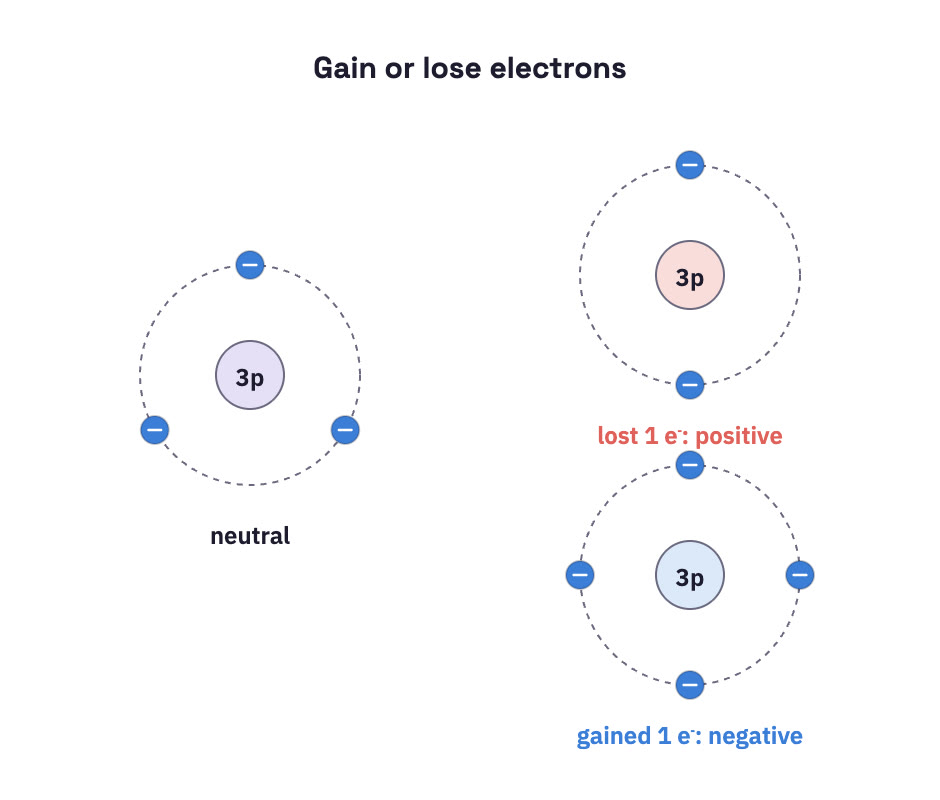
Electric Charge: Properties and Methods of Charging
Say what charge is, use conservation, quantization and additivity, and explain charging by friction, conduction and induction with the electroscope.
Electric charge and its unit · Conservation and quantization of charge · Conductors and insulators · Gold-leaf electroscope · Charging by friction, conduction and induction
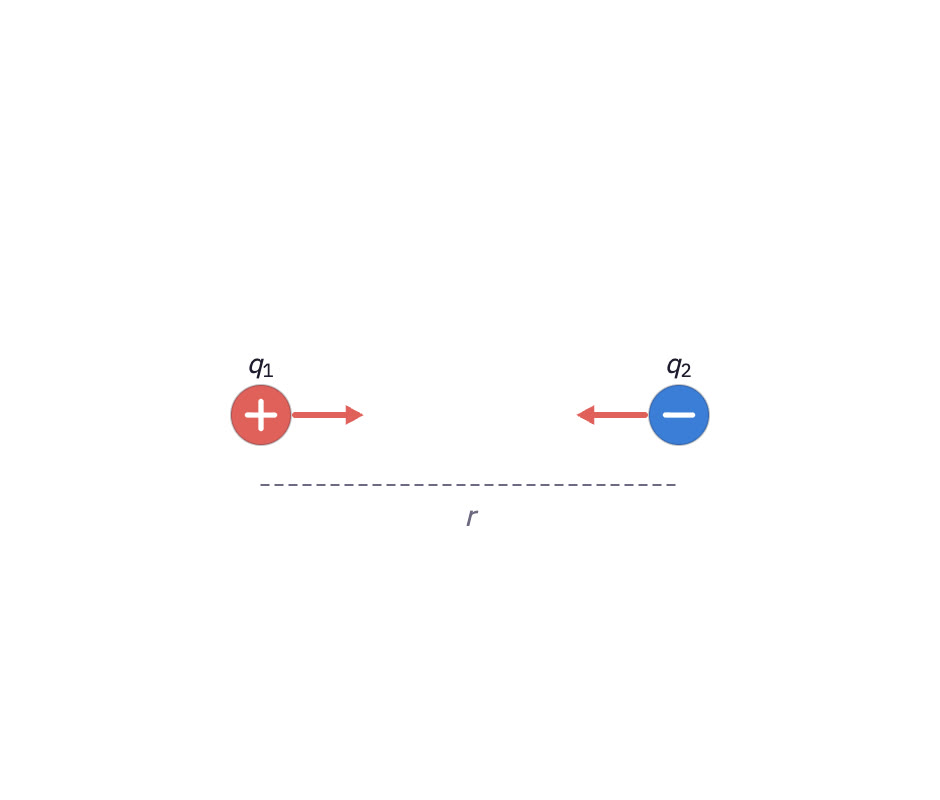
Coulomb's Law and the Superposition Principle
Calculate the force between point charges in vacuum and in a medium, write it in vector form, add forces from several charges and compare the electric force with gravity.
Coulomb's law · Dielectric constant · Vector form of Coulomb's law · Superposition principle · Electric vs gravitational force
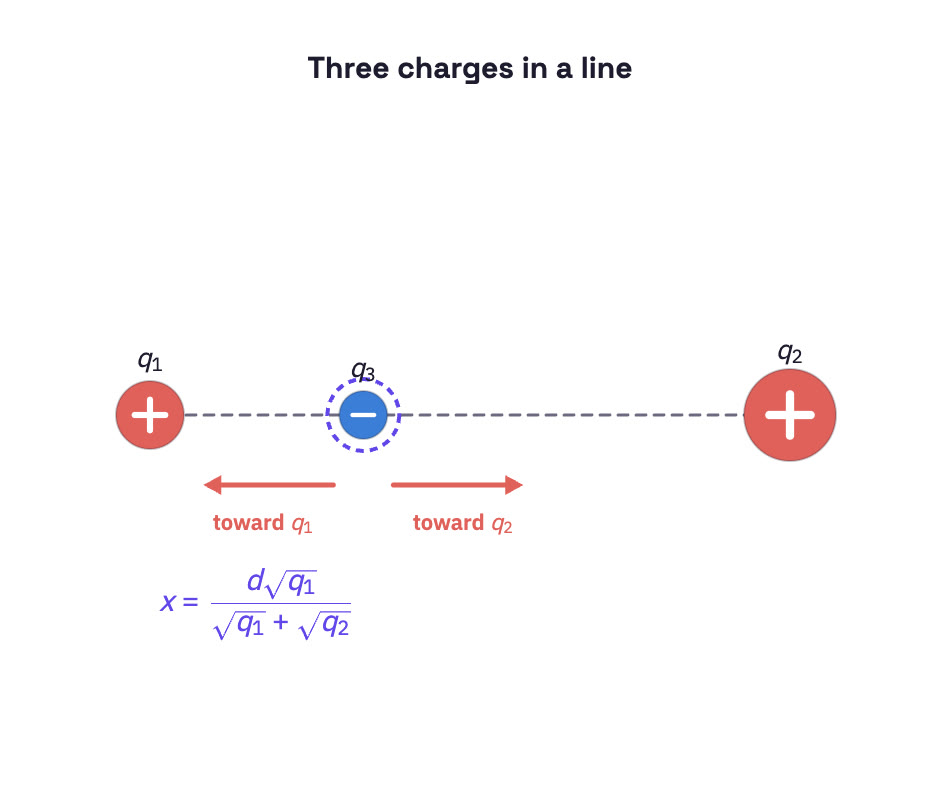
Equilibrium of Point Charges
Share charge between identical spheres, place a third charge so charges in a line, a triangle or a square are in equilibrium, and judge whether it is stable.
Charge sharing · Three charges in a line · Centre charge for a triangle and a square · Stable and unstable equilibrium · Vector condition for equilibrium
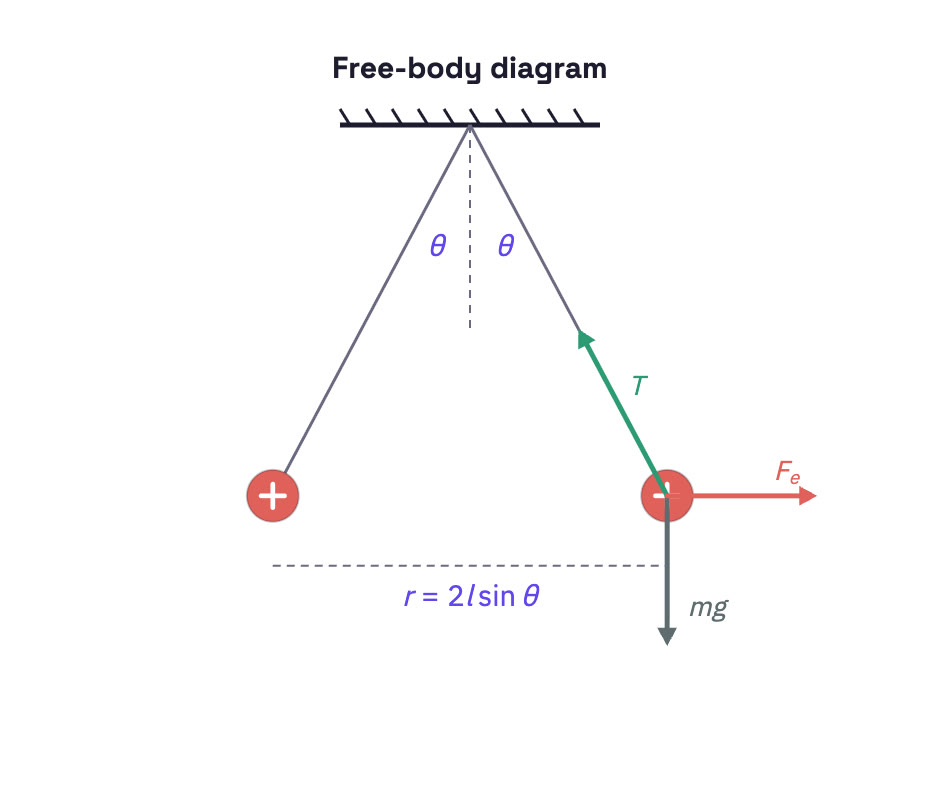
Hanging Charged Balls and Mechanical Equilibrium
Draw the free-body diagram of charged balls on strings, in air and in a liquid, and balance Coulomb forces against springs and gravity.
F = mg tan θ · Unequal masses · K = ρ/(ρ − σ) · Three hanging balls and springs · Charges held up against gravity
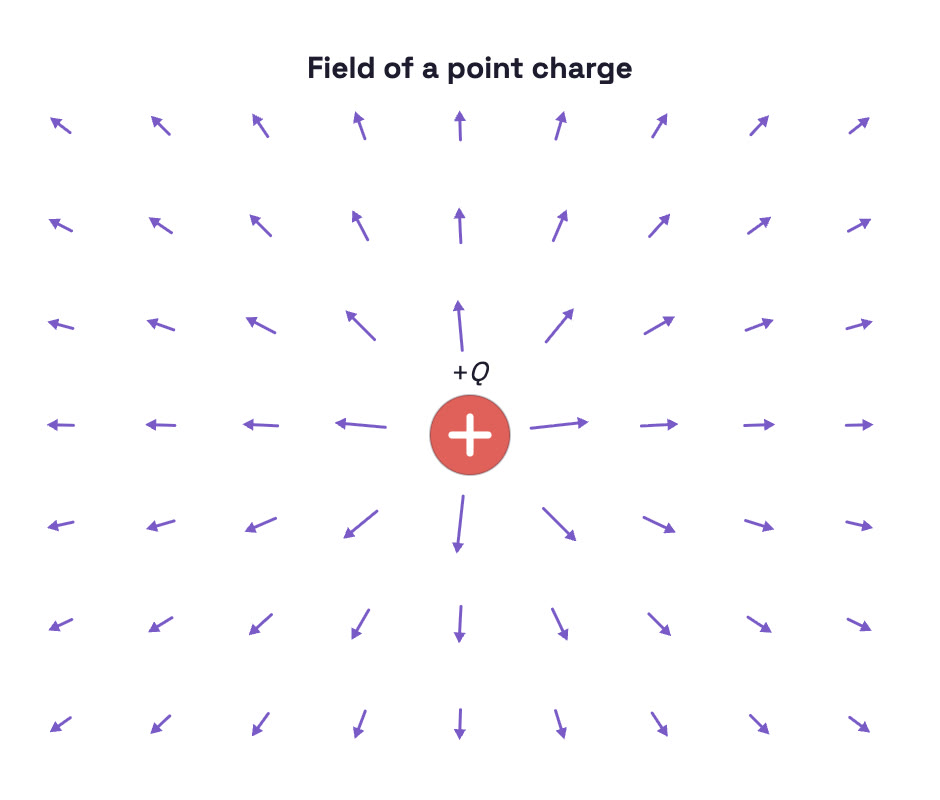
Electric Field of Point Charges
Define the electric field, find the field of point charges as vectors, sketch it along a line and locate the null points.
Electric field E = F/q₀ · Field of a point charge · Field graphs of two charges · Superposition of fields · Null points
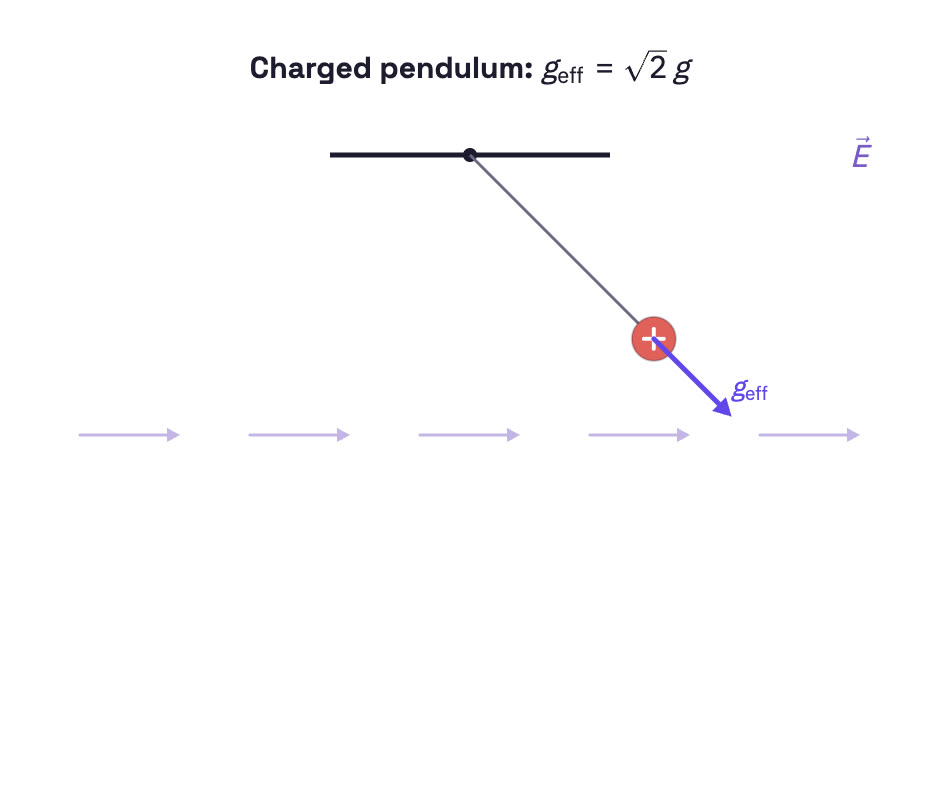
Charged Particles in a Uniform Electric Field
Solve the equilibrium, pendulum and projectile motion of a charged body in a uniform field by adding qE to the mechanics.
Equilibrium in a uniform field · Millikan oil-drop experiment · Charged pendulum and effective g · Motion between plates · Deflection onto a screen
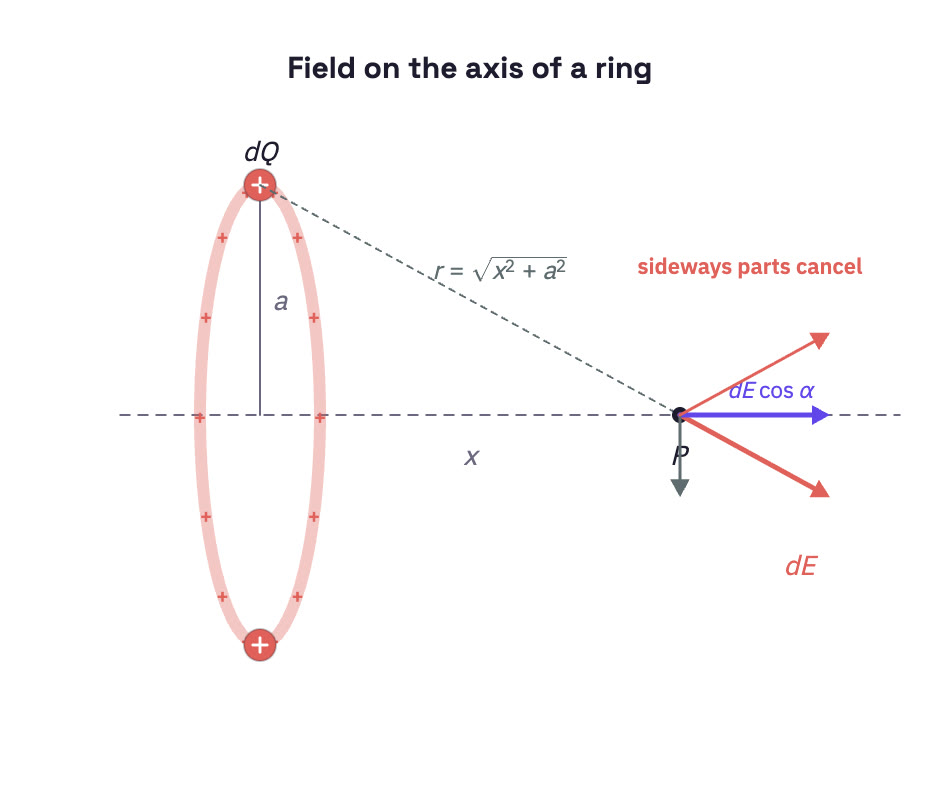
Continuous Charge and the Field of a Charged Ring
Describe charge by λ, σ and ρ, and derive the field on the axis of a charged ring with its maximum.
Linear, surface and volume charge density · Integration method · Field on the axis of a ring · Maximum at x = a/√2
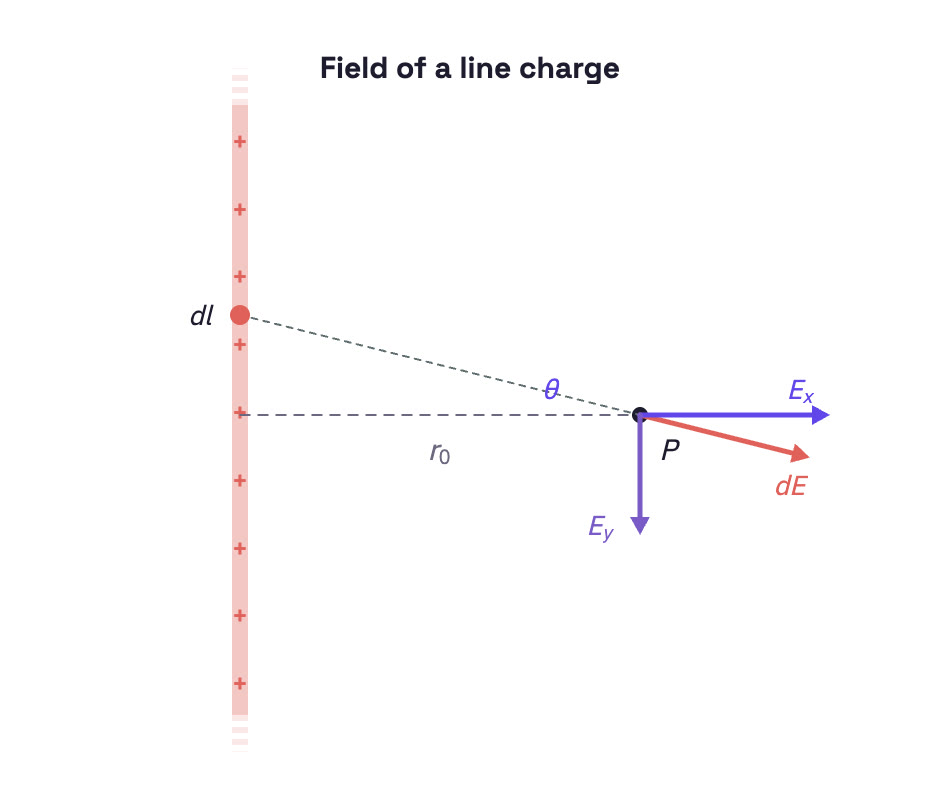
Line Charges, Rods and the Force Between Them
Derive the field of infinite, finite and semi-infinite line charges and of a rod on its axis, and integrate the force between a line charge and another body.
Infinite line charge E = λ/2πε₀r · Finite and semi-infinite rods · Rod on its axis · Force between charge distributions
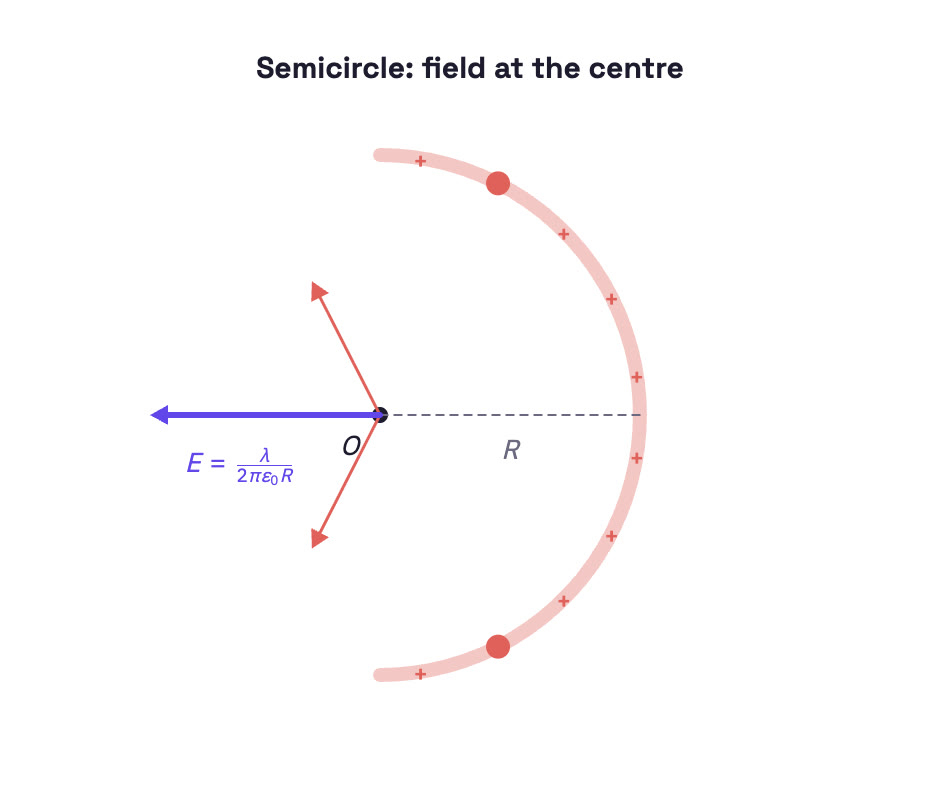
Arcs, Disks, Sheets and Symmetry Shortcuts
Use the standard results for arcs, bent wires, disks and infinite sheets, including a sheet with a hole, and symmetry to find fields fast.
Field of an arc and a semicircle · Bent wires · Field on the axis of a disk · Infinite sheet and two sheets · Symmetry shortcuts
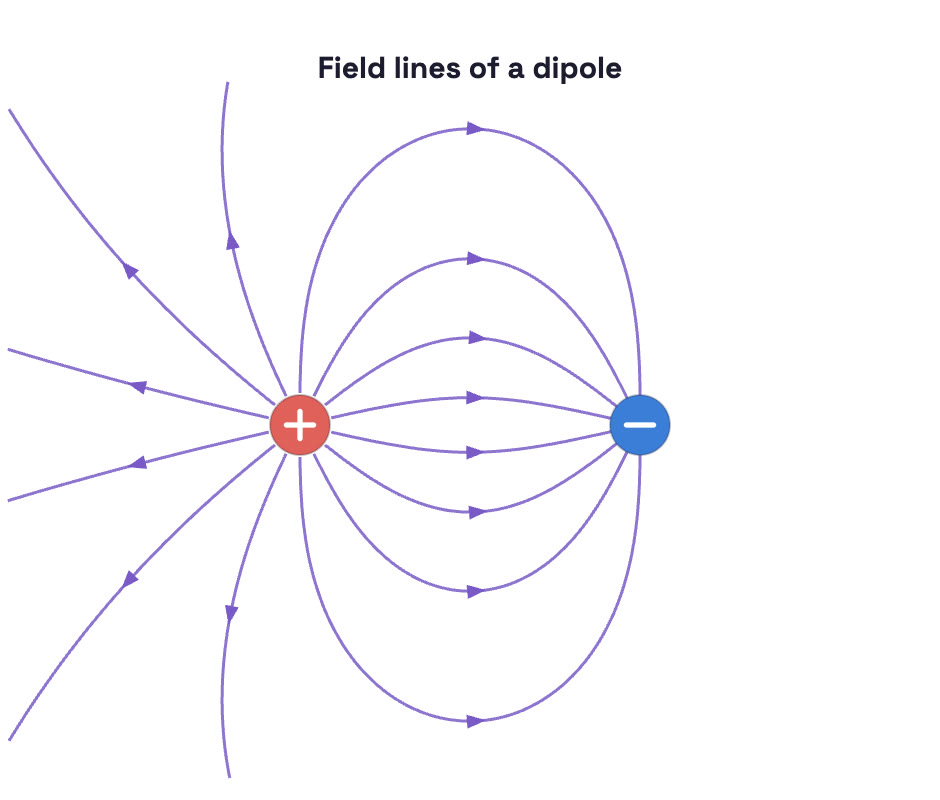
Electric Field Lines and Electrostatic Shielding
Draw and read field-line patterns, compare charges from line counts, find neutral points, and explain shielding by conductors.
Properties of field lines · Field-line patterns · Neutral points · Lines and solid angle · Electrostatic shielding
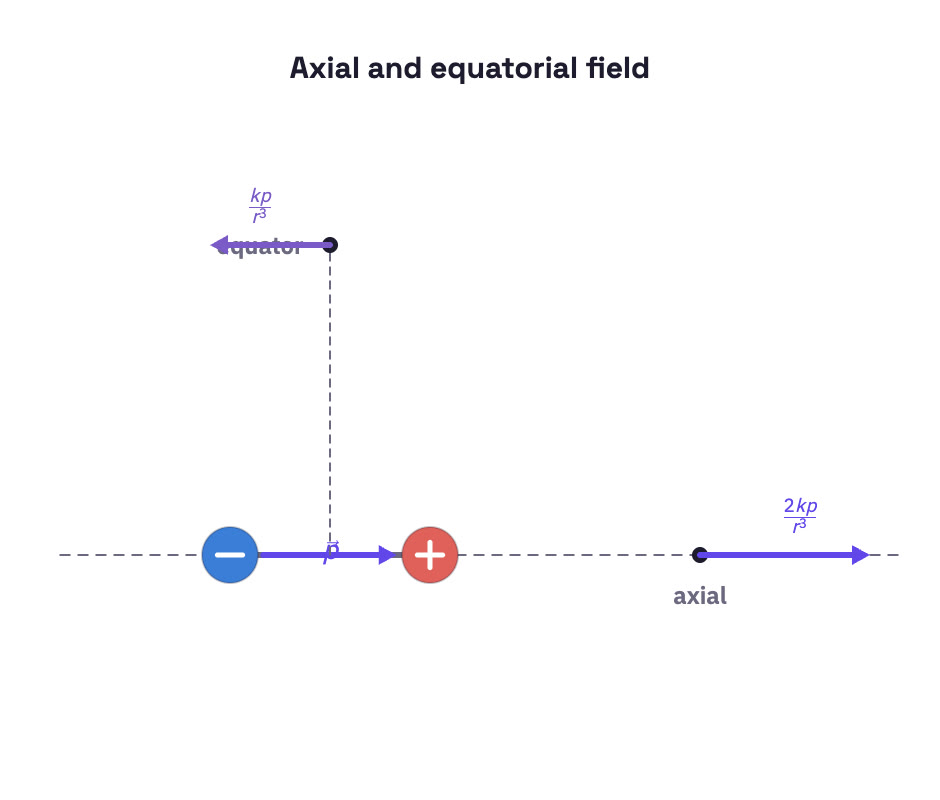
Electric Dipole and Its Field
Find the dipole moment of a charge system, derive the dipole's field on its axis, its equator and at any point, and the force between a dipole and a charge.
Dipole moment p = q·2l · Axial field 2kp/r³ · Equatorial field kp/r³ · Field at any point · Force between a dipole and a charge
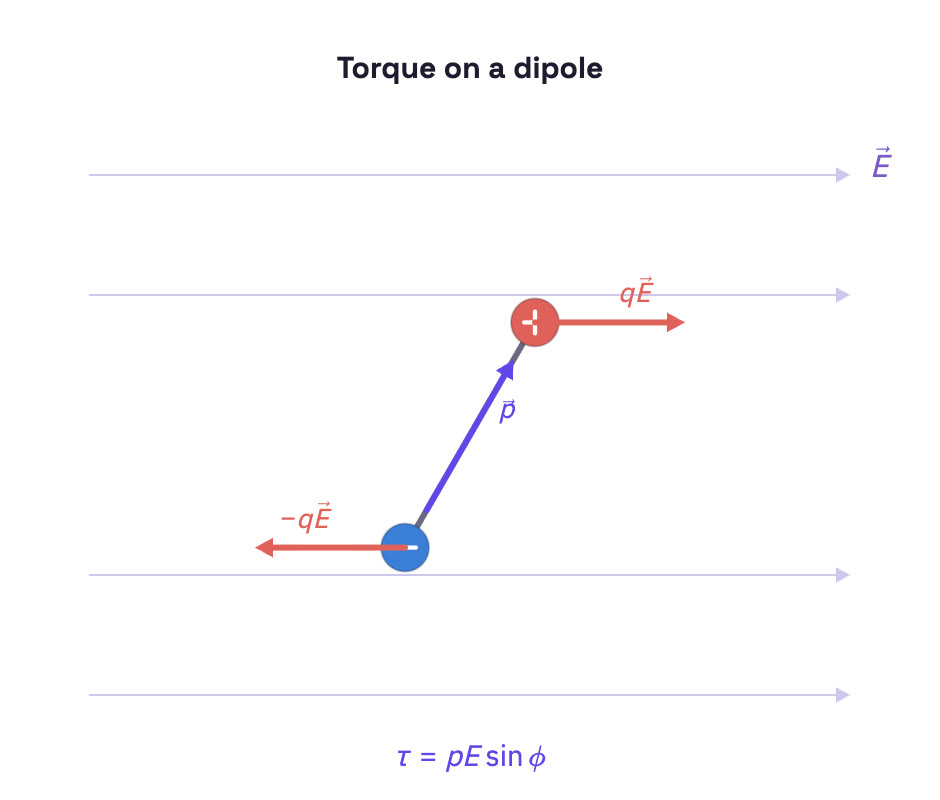
Dipole in Uniform and Non-uniform Fields
Use τ = p × E in a uniform field, find the period of a dipole's oscillation, the force p dE/dx in a non-uniform field and the force between two dipoles.
Torque τ = p × E · Angular SHM of a dipole · Force on a dipole F = p dE/dx · Force between two dipoles
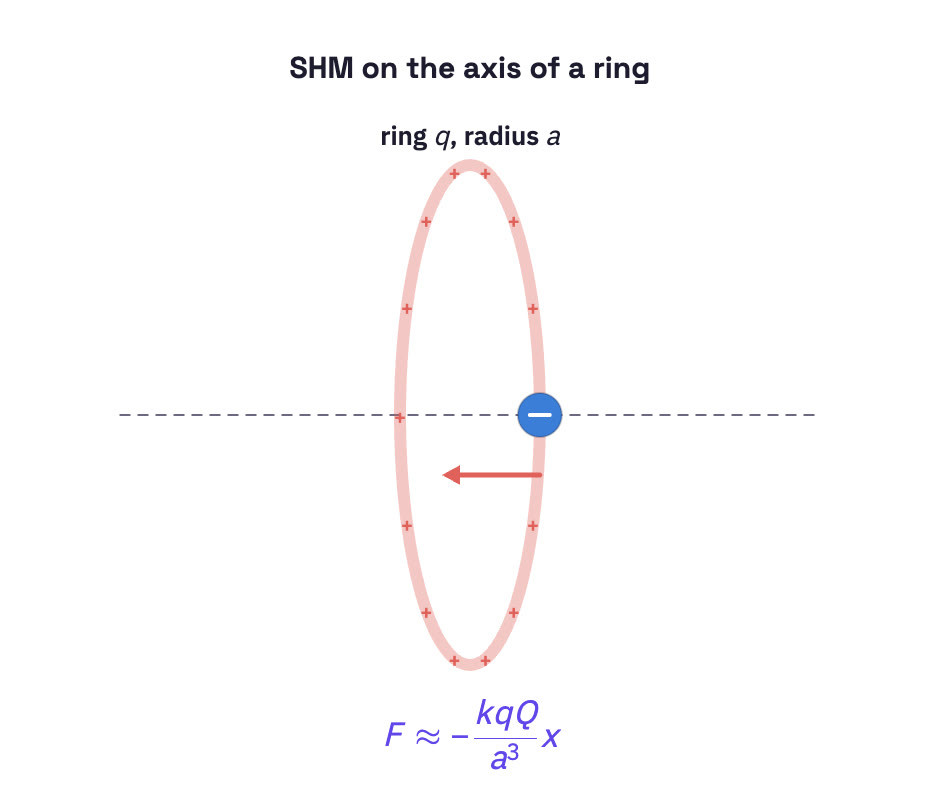
Small Oscillations of Charged Bodies
Show that a displaced charged body performs SHM and find its period near rings, line and point charges, as a rigid body, and on a spring.
SHM on the axis of a ring · SHM near a line or point charge · Oscillating charged rods and discs · Charged balls on a spring